Whatever Is...
True + Noble + Right + Pure + Lovely + Admirable + Excellent + Praiseworthy


“Whatever is true, whatever is noble, whatever is right, whatever is pure, whatever is lovely, whatever is admirable - if anything is excellent or praiseworthy - think about such things.” Philippians 4:8
Happy November, friends!
I took a little break from Substack for a month as I transitioned into a new schedule. I now work weekends, as well as an hour later at night than before. All in all, I like it! I’m finding my rhythm, but it’s taken a bit of adjustment since I’m usually not in bed until after midnight. Thank goodness that I work from home!
In this post, I’d like to reflect on Philippians 4:8. I have more serious and in-depth thoughts a little further down, which I hope you take the time to read, but I’m starting with “whatever is lovely”! My small town of Apopka, Florida, is known as the “Indoor Foliage Capital of the World”! On Sunday, between church and starting my work shift at 3 PM, I visited the annual “international” orchid show.



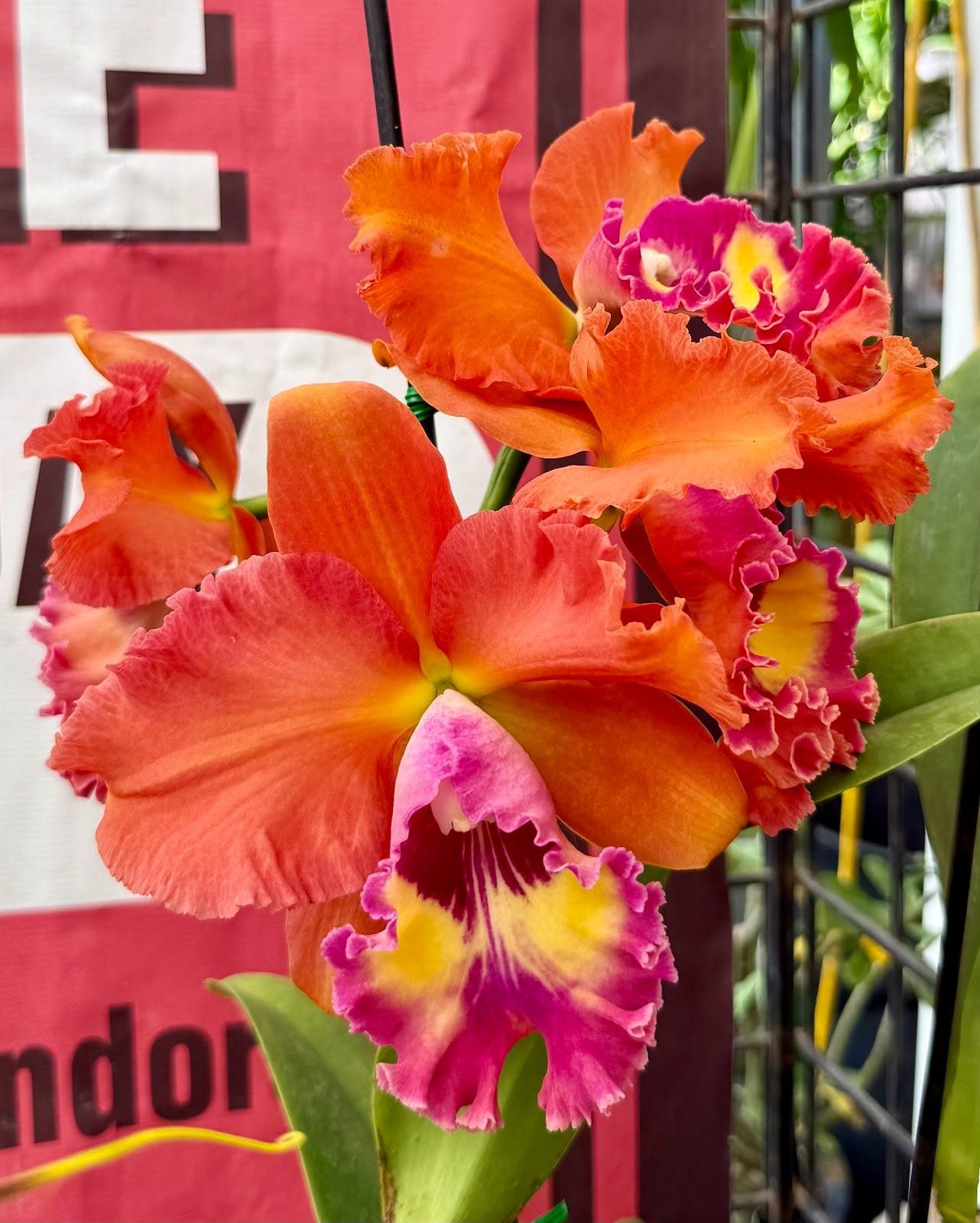
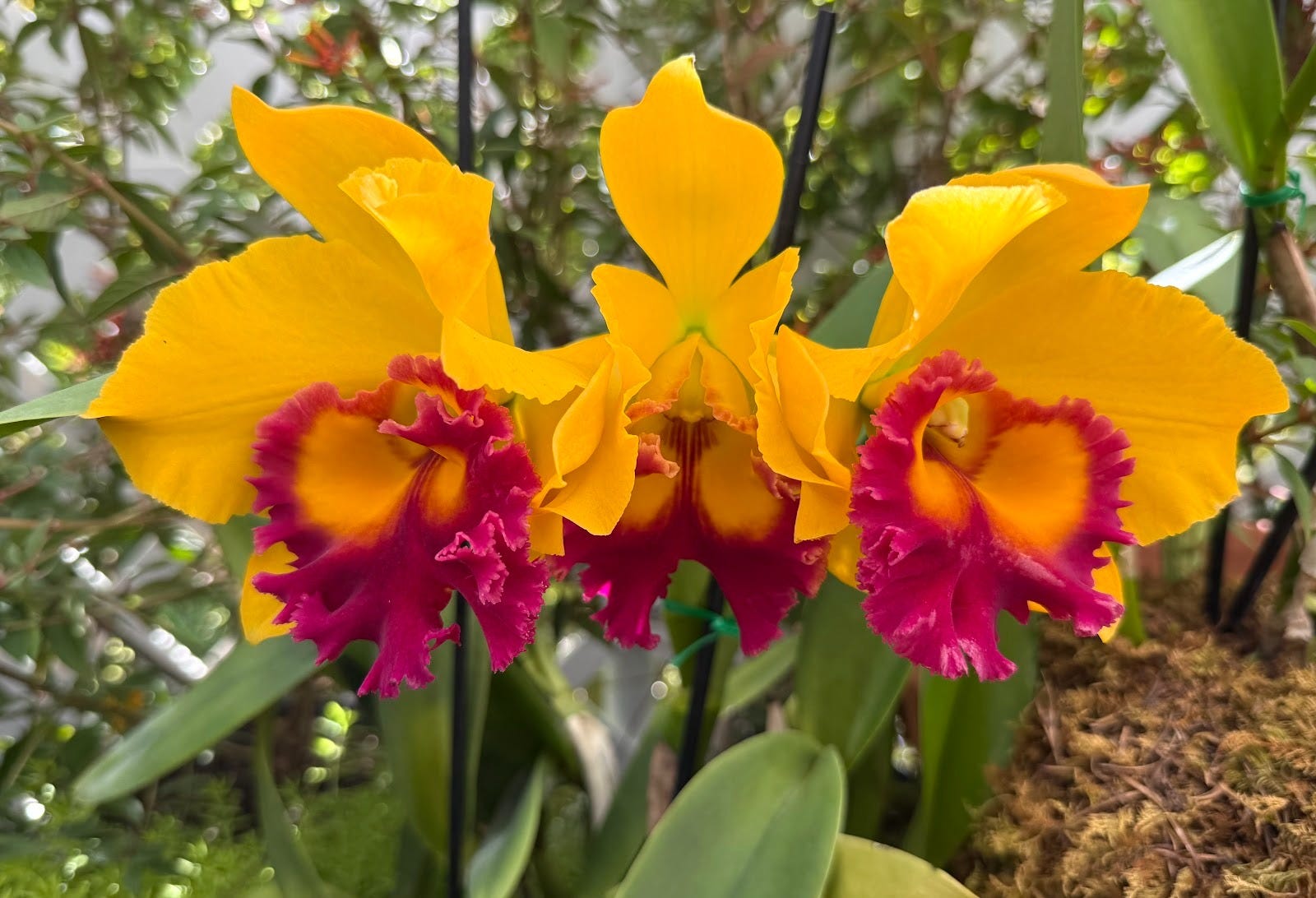
After enjoying the orchids, I walked around in the adjacent Trader Mae’s vintage marketplace. I restrained myself and just bought one thing: a charming wintry holiday sign that called my name. Never mind that we never get snow here!

And yes, I am one of those people who decorates early for Christmas. Last year I started on the same day as our church’s annual Christmas bazaar after stocking up on reasonably priced, beautiful crafts made by women in the church. We had just moved into our new home in the Spring, so I wanted some fresh holiday decor for this house. How do you like last year’s stash?

This year’s bazaar (the 51st!) is next Saturday. I don’t anticipate buying as much this time around, but I’m sure it will still put me in the mood to pull the holiday bins out of my garage and get going on it!
Yesterday, I also ordered the book Making Your Home Meaningful by Bre Doucette after seeing it at a deep discount at Amazon. It just arrived on my doorstep as I was editing this post – and it is lovely! It features projects for seasonal decorating, which you probably already know is a big thing at my house. I will read it gently and then give it as a Christmas gift.

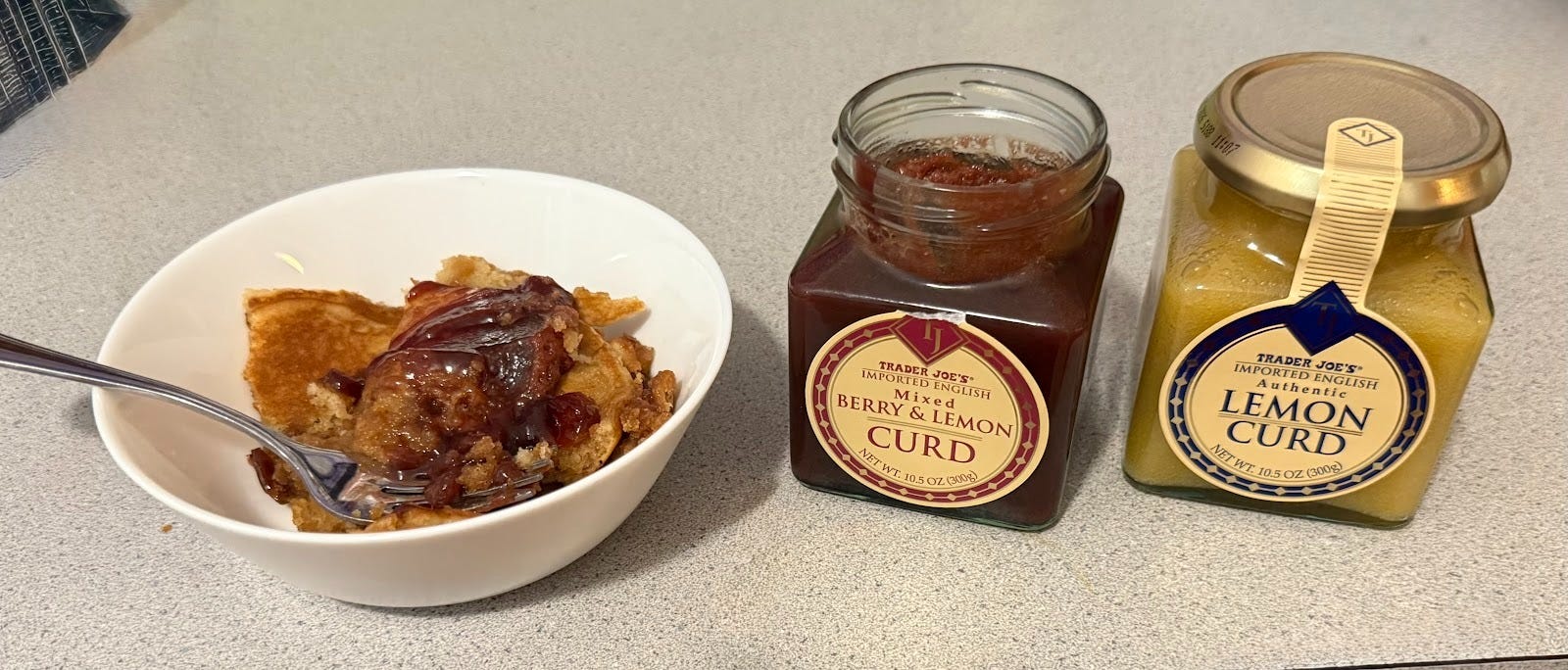
Whatever the season, I occasionally like to buy fresh flowers for my table. Trader Joe’s (not to be confused with Trader Mae’s) has small bouquets for just $3.99, so I snatched this one up when we stopped in to buy a new jar of my favorite lemon curd. I also found berry lemon curd this time, which I spooned onto leftover pancakes this morning.

I hope you enjoy this holiday season, whether you are still firmly in Autumn or slipping into Holly Jolly Christmastime!
Now, for something a bit more weighty, a few thoughts on Philippians 4:8 in the context of advocating in situations of injustice or wrongdoing. This article started as simple handwritten notes while I was reading Philippians for the Ignatian Exercises program I am doing with the help of my friend and mentor, Kim Kargbo, who writes at The Contemplative Activist Substack as well as heading up Accessible Hope International, which serves women and children with disabilities in Africa.
The assigned reading for that day was actually in chapter 3, but my eyes wandered over to chapter 4. The concept of “whatever is…” jumped out at me. I’ve read verse 8 at least 100 times in my nearly 50 years of faith, but I had never thought of it this way before! As I jotted my thoughts in my notebook, I thought of their application to those who advocate for justice. Specifically, I thought of my friend Ruth Barron, a longtime missionary in Kenya who is also an abuse survivor. She had already asked me to write a devotional for the Empowerment: Theology & Action private Facebook group that I help her moderate, so I edited my notes for a post there. I realized I could also adapt it for this Substack article, and did even more substantial editing for clarity. I sure hope it makes sense to you! If not, message me! I’d love to hear from you.
Whatever IS….
“Whatever is true, whatever is noble, whatever is right, whatever is pure, whatever is lovely, whatever is admirable - if anything is excellent or praiseworthy - think about such things.” Philippians 4:8
These familiar words are inherently inspirational, especially since they are surrounded by verses that promise the peace of God. They remind us to be aware of the beauty and justice that God brings to any situation, no matter how difficult. When trials come, as they always will, I want to be mindful of God’s mercies and his strength to overcome the challenges. However, I believe that this verse can also be misused. These words are not an admonition to “just think happy thoughts” and ignore blatant deficiencies just because “that’s not lovely enough to think about!” They are not about making bitter situations seem better than they really are. They are not to be used for spiritual bypassing or for sugarcoating harm that has been done and still needs to be addressed. They are not simply a positive twist on a negative situation.
As Isaiah 5:20 warns, “Woe to those who call evil good and good evil, who put darkness for light and light for darkness, who put bitter for sweet and sweet for bitter.”
Again, in Matthew 23:27-28, “Woe to you, teachers of the law and Pharisees, you hypocrites! You are like whitewashed tombs, which look beautiful on the outside but on the inside are full of the bones of the dead and everything unclean. In the same way, on the outside you appear to people as righteous but on the inside you are full of hypocrisy and wickedness.”
Philippians 4:8 is not just a comfort and an inspiration, but a call to wholehearted discernment. For those working in the context of advocacy for abuse survivors, it is more specifically an encouragement to fight evil and hypocrisy with righteousness and truth.
When each phrase starts, “Whatever is…” remember that the word “is” is a linking verb that equates two things. It is like an = sign. The next word (true, noble, right, pure, lovely, admirable) is a descriptor of what actually already authentically is. “Whatever is true,” is not “whatever someone naively claims is true,” is not “whatever someone twists to appear as truth,” is not “whatever someone hopes is true,” and is not “whatever someone is being pressured to believe is true.” Instead, “is” can be thought of as, “actually already authentically is.” So is it really true?
The actual truth might be that something is horribly wrong and it needs to be fixed. Unfortunately, many will see a grievously abusive situation and try to spin it in a more positive light, making excuses for the perpetrator and pleading:
“Why don’t you look for the best in him?”
“Why tarnish her reputation?”
“Look at all the ministry they have done — so how could that allegation be true?”
“You’re supposed to honor your authority (parent, pastor, boss), not complain about them!”
“Love trusts and believes and hopes, so why are you giving up on me just because I did this little thing? I said I’m sorry! Aren’t you supposed to forgive and forget?”
All of this can be an attempt to minimize or whitewash what in reality is not true, noble, right, or pure, lovely, or admirable. It is far better to pursue actually making it what it needs to become than to say it already is.
So how can Philippians 4:8 be correctly applied when dealing with negative circumstances? It offers the righteous remedy. “What is true… noble… right… pure… lovely… admirable”! These qualities stand in stark contrast to the behavior we often see around us, even in Christian communities and families. They tell us what good things should look like. They give us a reliable model for what we should work toward as we transform faulty beliefs and practices so they are actually and authentically in conformity with God’s holy and healthy standards. These essential changes can prevent mistreatment and trauma from happening again, and they bring relief, healing, and restoration to those impacted by it. They allow us to “grow whole in body and soul” individually and collectively.
Looking at the end of the verse, we also find “…if anything is excellent or praiseworthy — think about such things.” Praiseworthy means that something is actually already authentically worthy of praise, not that it demands praise because of position, pride, or power. Though we should still treat others with basic human dignity, we don’t need to attribute honor to a person or thing who is unworthy of it. And we must not turn a blind eye to misbehavior just because of someone’s outward reputation. Focus on the reality of what is actually happening and what needs to be done about it.
It is an excellent mercy to correct a wrongdoer and point them to the grace of authentic repentance. If they don’t change, it is an excellent mercy to eliminate their access to any further opportunities for wrongdoing. Their choices, their consequences! This doesn’t mean blasting others with harsh criticism for making mistakes. As 1 Thessalonians 5:14-15 guides us, “And we urge you, brothers and sisters, warn those who are idle and disruptive, encourage the disheartened, help the weak, be patient with everyone. Make sure that nobody pays back wrong for wrong, but always strive to do what is good for each other and for everyone else.”
This course correction is not just about other people, but also about growing more mature in our own walks with Jesus. We can confront our own weaknesses and sins most effectively by replacing them with what is true, noble, lovely, right, admirable, excellent, and praiseworthy. We can replace a critical spirit with kind words. We can replace greed with intentional generosity. We can replace arrogance with humble confidence. We can replace complacency with diligent service.
This view of Philippians 4:8 gives us more than cozy inspiration. It gives us aspiration! It gives us a call to stand for justice. It gives us a model for authentic holiness. It gives us motivation for transformation. It gives us a love for becoming more like Jesus, who is the epitome of all that is good.
My friends, as you go about your day, “if anything is excellent or praiseworthy - think about such things” and then do them.
P.S. If you would like to explore this concept more in a longer passage, I commend to you Colossians 3:1-17, where we also find the call to replace evil with what is truly good. Here we set our hearts and minds on things above, put to death and rid ourselves of whatever belongs to earthly nature, speak the truth to one another, take off the old self with its practices, put on the new self, which is being renewed in knowledge in the image of its Creator, clothe ourselves with virtue (compassion, kindness, humility, gentleness and patience), let his word dwell richly among us, teach and admonish one another with all wisdom, and most of all, do it all in the name of the Lord Jesus, giving thanks to God the Father through him.
Thanks for reading this Whatever Is… edition of Growing Whole in Body and Soul! I’d love your feedback. Do you like this format? What resonates most with you from this post? Do tell!
Please share, comment, message me, and/or subscribe with the handy buttons below!
Blessings to you and yours,
Virginia Knowles